Here Comes 9

This little guy of mine is about to turn 9 in exactly one week. Birthdays, for some reason, have always been a bit of a challenge for me. I think it’s tied to how we measure children by age, and my guy never quite fits into that “supposed to be” place.

I will say that I usually bounce back pretty quickly. We’re big on birthdays in our household, and they tend to take over—or maybe I just willingly let them.

But wow, 9 is hitting me hard.

Maybe it’s because I vividly recall my own 9th birthday. It’s the first age where I can look back and truly remember who I was and what I enjoyed at the time. That was the year I got my first camera, a passion that I still have. I remember the friends I had and the hopes and dreams that filled my young mind.
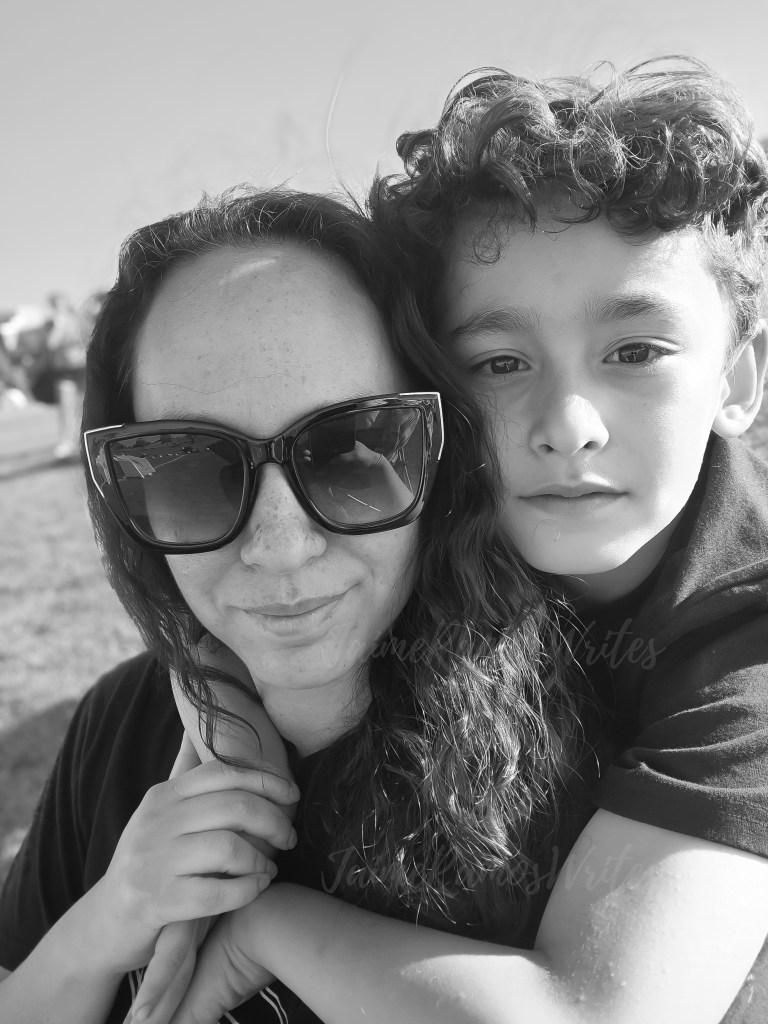
Am I comparing my son to my younger self? Not intentionally, but it serves as a reminder of the expectations we have before understanding autism and realizing those expectations even exist.

I also think it has to do with observing other moms and their sons around this age. I’ve been noticing it more and more—overhearing sons talking to their moms about their day, their likes, sometimes even arguing. It seems like an age where many mother-son relationships undergo a shift, with the son gaining more independence and a unique rapport building between them.

I’m grateful for and cherish the way my son and I interact. We share a bit of that bantery and a buddy relationship, but I’d say it’s more like being with a much younger child, navigating through a multitude of emotions.

Then there’s the elephant in the room—puberty. My son seems to be following the trend where puberty arrives earlier in many kids today. Nothing major yet, but emotions and temperaments have been gradually building and intensifying. The kid is growing like a weed in the summer, and we’re on the verge of entering the days of a little boy in a big kid’s body.

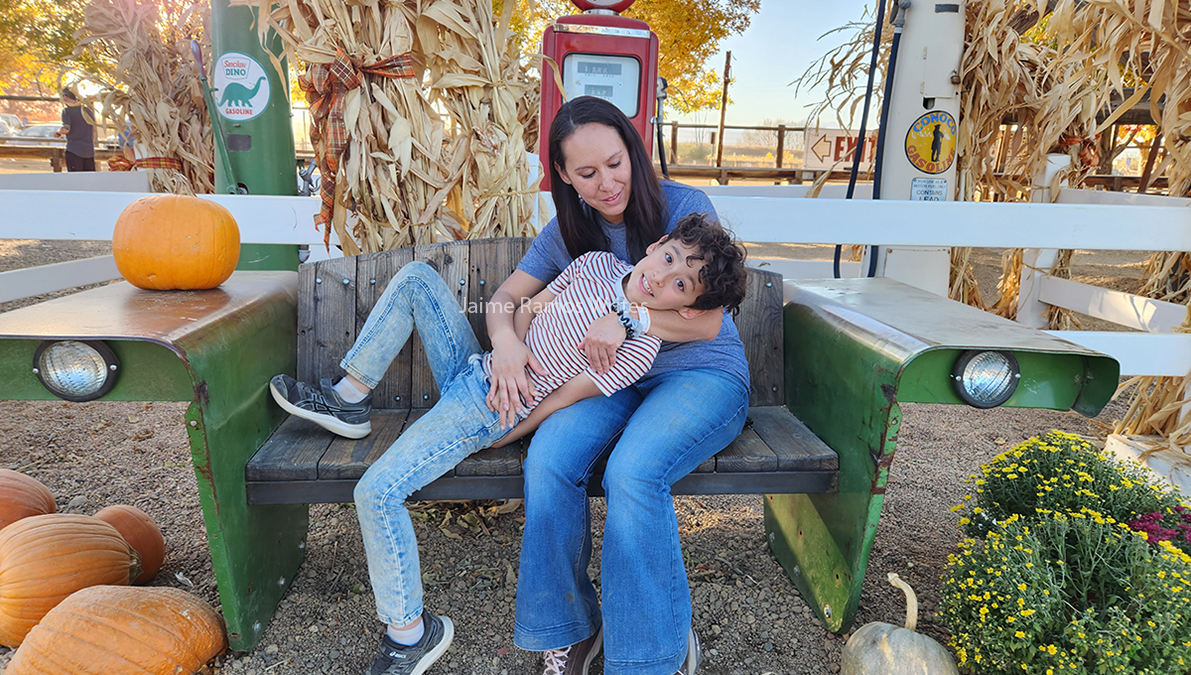
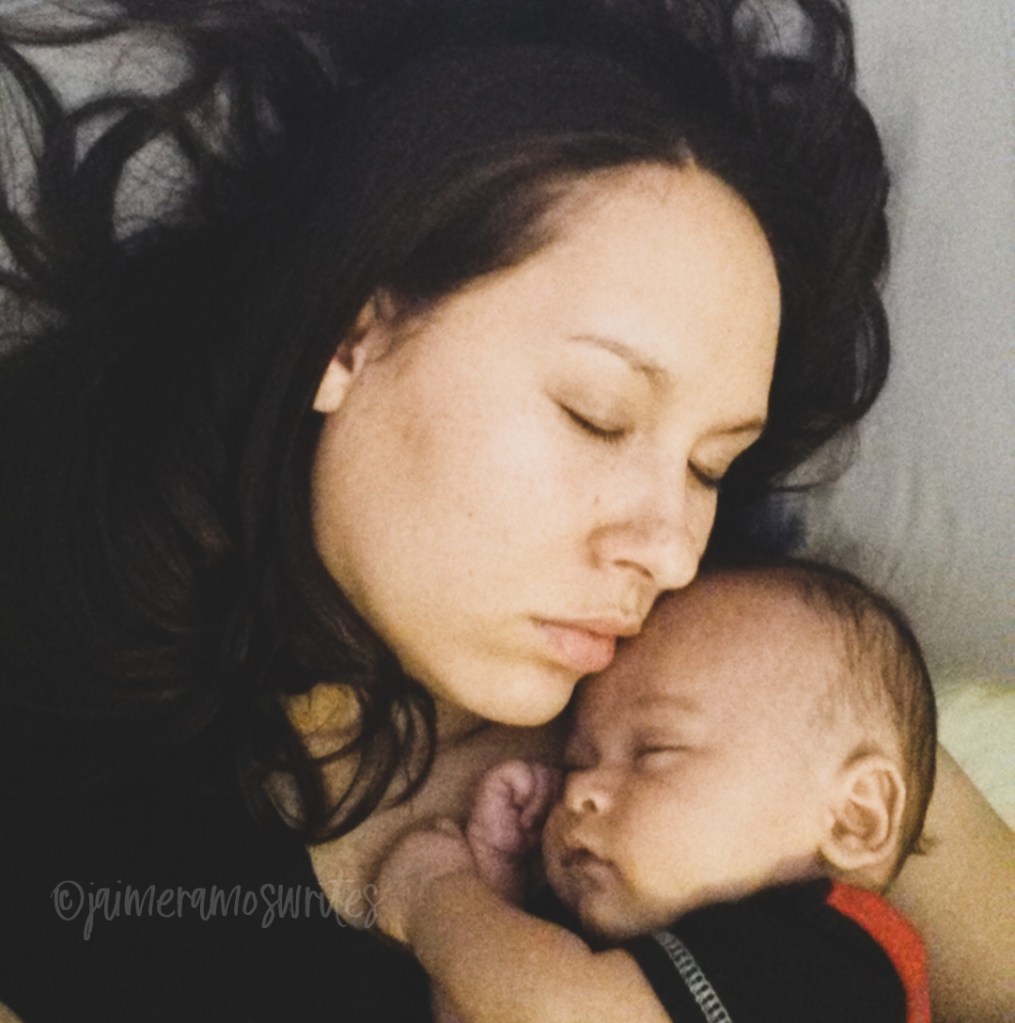
Watching our kiddos grow up naturally tugs at every mom’s heartstrings, but the complexities of autism add a unique layer to that experience. My son still loves to curl up on my lap and receive all the cuddles. I’m still “mommy.”

We remain his number one people while others his age seem to strive for independence and worry about impressing friends. I’m torn between wanting to keep him close forever and feeling a twinge of sadness that he hasn’t followed those typical paths and relationships.
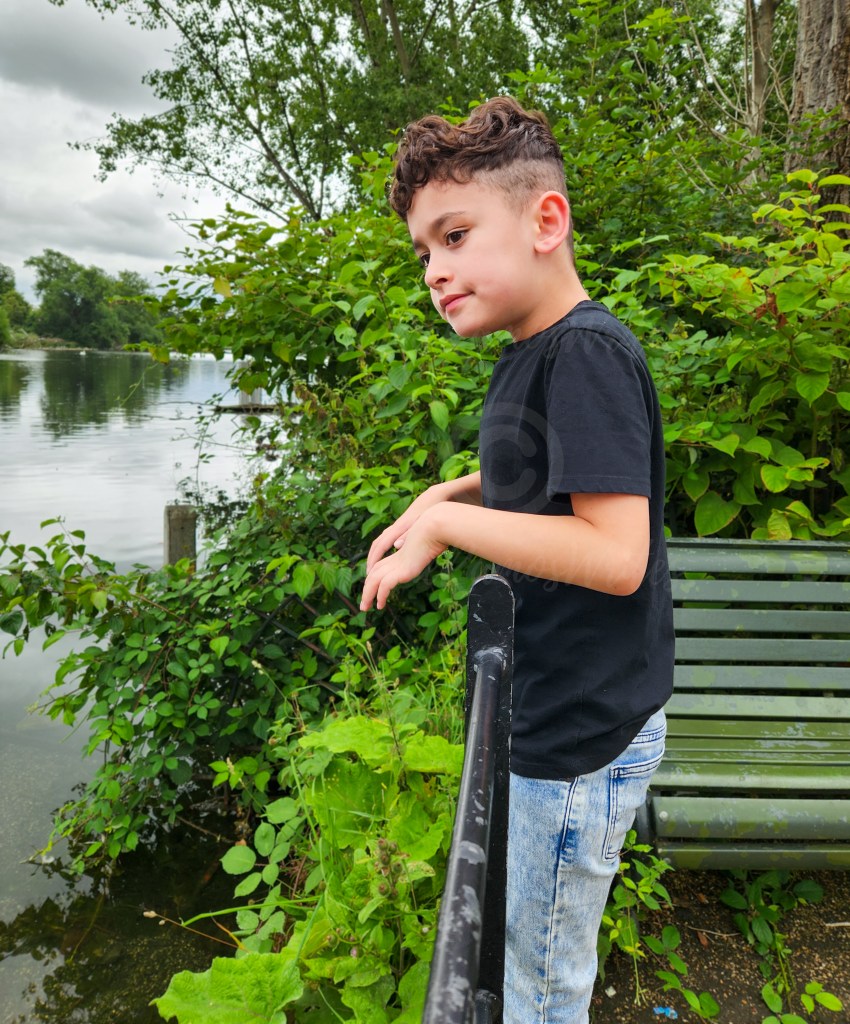
My boy is truly his own person. He’s put in tremendous effort and come a long way. I’m incredibly proud of him. Excited for what 9 will bring but admittedly a little nervous about the distinctive path we’re forging together.

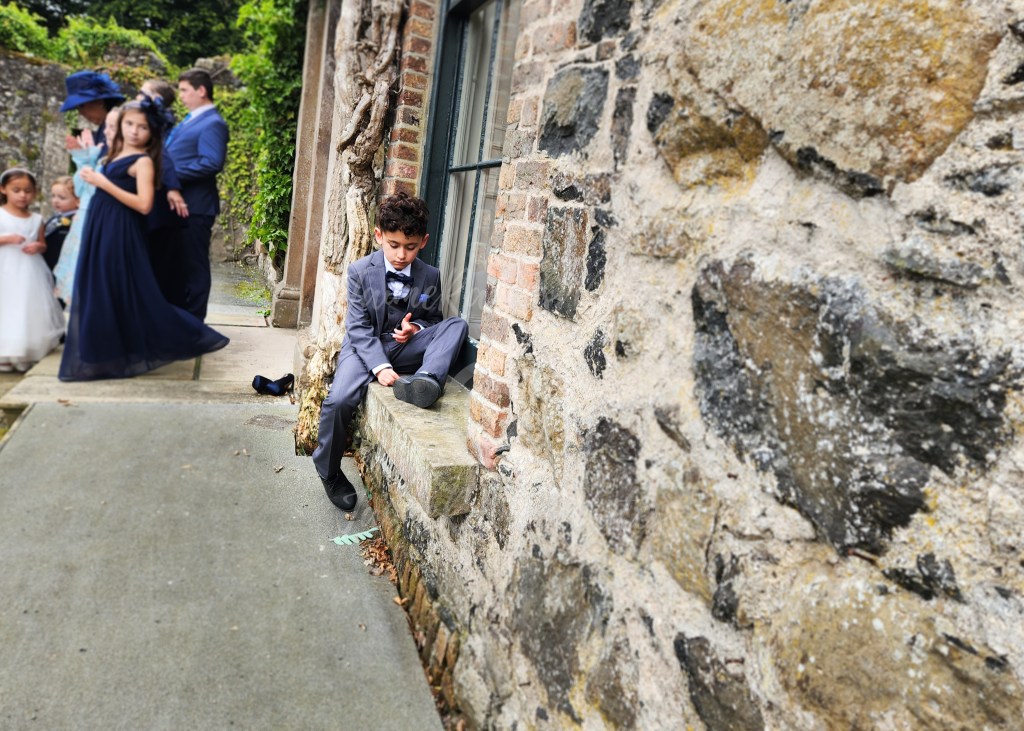
The Fear of Isolation for My Autistic Son’s Future

Perhaps it’s because I grew up as one of six kids, and almost always surrounded by people, but I’ve always been okay being alone. It brings me comfort and a sense of regulation.

Although, life’s trials have taught me that being alone isn’t synonymous with loneliness; it isn’t isolation.

Isolation comes when no one around you understands you. When there is no one you can rely on.

Lately, I’ve been trying to pinpoint my biggest fears for my autistic son, and the list feels endless. I fear he might never grasp the essence of true friendship, or experience the joy of falling in love with someone who loves him back. And at the worst of time that people will be cruel to him in place of those things.

The uncertainty about his future weighs on my mind, especially looking forward to when I’m no longer there.

The fear of him being lonely and forgotten looms over me.

In many ways, I see my son sharing my appreciation for moments of solitude. He loves his space.

Yet, the risk of being overlooked comes with those tendencies. Autism can make it hard for him to toe that line, to reach out when the need comes for companionship.

Despite his occasional contentment in watching others move forward without him, I know it sometimes shatters his heart.

I know, because I’m there, always watching for the signs, making everyone wait or rewind for him to catch up.

But what happens when I’m gone? Who will be there for him then?

The thought of him being left alone, not just physically but also in the mental grip of loneliness, terrifies me.

Maybe it’s ego to think I’m the key to preventing his isolation, but It’s one of my greatest fears, and these thoughts of his future breaks my heart as a mother.

I hope and pray that his path is not made up of solitude and isolation. I want him to be happy and to be loved. Forever.

The Justs

I refer to them as “the justs.”

They come when you’re sharing your concerns, often intending to offer advice. More often than not, they arrive as unsolicited advice.

They feel dismissive, like someone stating the obvious to someone they perceive as clueless.

When I struggled to potty train my son for years, I heard, “just buy him this book” or “just have him watch this video.”

When my son refused to eat, it was “just wait until he’s hungry, he’ll eat” or “Just don’t give him any other options.”

When sleep became a battle, I heard, “just let him cry, he’ll eventually go to sleep.”

The “justs” seem simple because they are, but they aren’t a simple fix. They’re a simple way to belittle and disregard desperate parents. It’s the almighty “duh,” a simple way to shut someone down.

I’m sure I’ve been guilty of using the “justs” in other situations and I apologize if I have.

But I’ll tell you, in those early years as a mom to a child with an unexpected disability, they haunted me.

They compounded the feeling that I was failing, that something was amiss in my parenting.

Yes, in a sense, there was. I was parenting as if my child were typical, but I didn’t know better. I learned and adjusted. Still, that didn’t “just” make everything change or become easier.

Regardless of whether someone has a neurodivergent or typical child, don’t ‘just’ them. Listen and offer your tips and advice only when asked.

Understanding Autism: Pajamas, Progress, and Parenthood

Today as I shuffled through monotony that is laundry. I cried sitting in my son’s closet over his pajama bin.

I may sound a bit silly, but I’m someone who tends to cry. There are times when a mixture of anxiety, fear, and shame accumulates within me, and the only way to release it is through tears.


Today pajamas pushed me over the edge.

My son has autism. Autism often presents communication challenges. My son does speak so I know we have it easier than others but it remains a constant obstacle for us. My husband, his teachers, and I are continually striving to gain insights into the depth of his understanding, deciphering what he truly comprehends.

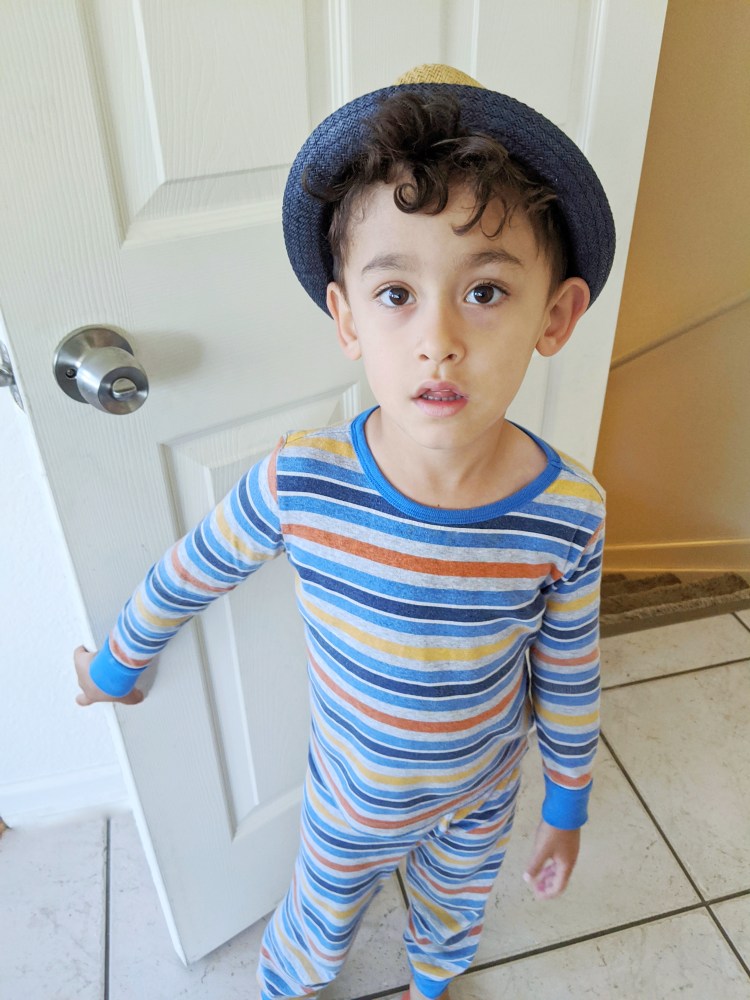
Understanding pajamas has always been a bit challenging for my son. When he started speaking more fluently at around the age of six, it became apparent that he used the term “jamas” to describe all types of clothing. I had to patiently and repeatedly explain that pajamas are the clothes you wear to bed. Over and over, for years.

I believe he’s always had some awareness that bedtime clothing is different from daytime clothing, but due to communication barriers, it was difficult to be sure.

This last year, there has been progress. When we ask him to put on pajamas, he still needs a lot of prompting, but he eventually selects pajamas from the designated bin. It seemed like he was beginning to grasp the distinction between regular clothes and pajamas.

However, last I returned home late from a church event, and my husband had been in charge of preparing the kids for bed. My son approached me wearing regular clothes, different from what he had worn during the day, but definitely not pajamas.

I asked, “Hey buddy, did you have your bath yet?” I was met with the familiar blank stare, something that happens quite often, but I always offer him the chance to respond if he wishes or can.

 My husband eventually explained that he had indeed had a bath, and when he told him to put on pajamas, those were the clothes he selected from his drawer.

My husband allowed him to keep with the clothes being proud that he got dressed on his own and the clothes were comfy enough to wear to bed.

I wasn’t sure why, but it left me feeling a bit sad. While there has been clear progress and he did a great job, today sitting over that bin I realized it somehow symbolized much more.

The challenge of communication often leaves us in a constant dilemma: we either assume he knows more than he reveals, or it signifies that he doesn’t.

My son never ceases to surprise us when he suddenly expresses or demonstrates something we believed he didn’t know. 

It’s a complex mix of emotions: the guilt of underestimating your child, intertwined with pride in their unspoken abilities. For many of us, it instills a sense of hope – that everything we hope to see in our child is indeed within them.


His choice of the wrong type of clothing might have been a momentary lapse in thought. Or maybe he genuinely wanted to wear that outfit to bed and deliberately selected it.

I do recognize the progress that has been made, but for some reason, in that particular moment, he seemed to get confused, he forgot. And that means something. 

It’s not a big deal, really, but it serves as a reminder that he does struggle to remember things, and it’s been a long and challenging journey to reach this point.

It’s not just about pajamas; it extends to many aspects of his life. 

It’s about understanding who he is and where he’s at in his development. I love him immensely, and I need to accept and embrace that. 

However, there are moments when I feel sadness because I’ve placed expectations on him that may have been unrealistic. 

I despise that I do that. That I let it make me sad, and I wish I didn’t, but I’m only human. 

Sometimes, I find myself shedding tears in the closet while folding pajamas. Sometimes the reminders of where we are at hurt.

Her Own Journey with Blood Disease

We named her after two fictional characters. One, curious, independent, and thriving in the fantastical. The other, unabashedly herself, loyal, and optimistic. All attributes I hope she can discover within herself.

She was born into the atypical, and I am profoundly grateful for that. I hope she recognizes the value of her unique journey throughout her life.

In the past year, she has faced challenges, and I have witnessed her navigating them with remarkable resilience.

The other day, however, it all became too much. She broke down.

In the smallest way, her little 5-year-old mind began to grasp the implications of her trial, the reality of a lifelong blood disease. It might sound simple or even silly, but she had to leave a place she loved because of yet another bloody nose.

It was a moment I knew would come—the realization that something else was dictating her life.

It wasn’t yet another appointment or one of the many needles she’s had to endure. This time, it meant leaving a fun swimming lesson early, not wanting to go, and feeling embarrassed by everyone’s shock and stares.

To some, it may seem trivial, but to a little, happy girl, it was a big deal. A heartbreak.

In that moment, I hoped and prayed that she would always overcome the limitations imposed on her. That she gets the chance to be everything she wants to be.

Love’s Limits: Saying Goodbye to Having More Children

The plan was always to have two children, but after I had my two beautiful babies, I couldn’t help but dream of having just one more.

Although we couldn’t know whether it would be a boy or a girl, in my gut and dreams, I saw a baby boy.

We decided if he did come we would name him Philip.

We often talked about him as a possibility, a “maybe” for the future, if circumstances allowed.

During moments when life felt more manageable and under control, the idea seemed possible. If we could earn a little more. If we could find a better place to live.

However, as time flew by, life presented its ups and downs, making it harder to pursue that dream.

Motherhood is and always will be beautiful. I adore my children more than anything, but it’s undeniably challenging.

At least for me.

It’s all consuming, in almost every way.

My entire world revolves around my children. I know that I shouldn’t say that. I should rave about the importance of self-care, right? I do try in small ways, but I suppose I’ve always been a bit messy.

I simply underestimated the all-encompassing nature of motherhood.

Do I believe I could go through it all again from the beginning?

Yes.

Do I truly want to?

I’m not entirely sure.

Admitting this makes me feel guilty, as if I’m betraying someone who could have existed.

The power to create life or choose not to feels strangely nearly omnipotent.

The truth is, the desire for “a little more” never seems to be satisfied. And just when we experience fleeting moments of stability and contentment, something always seems to arise.

The timing never seems to align. Life is already too chaotic as it is. Too many diagnosis, too much going on in the world.

But occasionally, late at night, I find myself missing Philip.

I had envisioned holding one more baby, and I had imagined the bond he would share with my other children.

I am grateful for the life I have, but the longing for more is universal.

And it’s not about having nicer or bigger things. It’s about love.

About how much love I have to offer. How much of me I have to give.

I feel selfish and overly reasonable all at the same time.

As I write these words, I acknowledge that a door has closed, and my heart aches because of it.

Things may change but for now my wonderful and complicated family is complete.

So I bid farewell to the little boy I once dreamed of.

We would have called him Lip.

Navigating Friendship in the Midst of Motherhood and Autism

The concept of friendship is a highly subjective one. As I step into my mid-30s, I’ve been pondering what friendship truly means to me.

Recently, I came across a book on the topic of friendship, and as I discussed it with a friend, we found ourselves somewhat perplexed by how someone had the time and wherewithal to examine friendship to that point.

That might be telling of how good a friend I am…

Growing up I was the quiet, introverted type, usually forming bonds with just one or two very close friends. As a child and teen I was often one of three in various sets of friendship. I don’t know why it was just where I found myself multiple times.

The popular quote, “friends are the family we choose,” has often left me a bit puzzled. Don’t get me wrong; I’ve cherished every close friend I’ve had at various points in my life. But I don’t know if I ever went out and chose a friend. 

In life, we often find ourselves in various environments, work, school, neighborhoods, and so on, and form connections with those we happen to be close to. It’s simply a matter of proximity. For me, these friendships sometimes evolve into something deeper, while others remain on the surface.

As I sit here at 35 years old, there are times when I feel like I have very few friends. I’m not out in those spaces anymore to find friends and bond with those around me. 

To the friends who might be reading this, please know that I cherish you. Most of you live miles away and occupy a distinct part of my life, and I love you for it.

To those who are closer, and for various reasons, our friendships have either diminished or never fully developed, I must offer the clichéd excuse, “it’s not you, it’s me.”

Throughout my life, I’ve played different roles as a friend—sometimes the casual friend, the overly enthusiastic friend, the mean friend, the silly friend, the serious, the brutally honest friend, or even the people-pleasing friend. 

Here I sit nearly nine years into motherhood, most of which have been consumed by the challenges of autism and the rollercoaster of mental health, my ability to maintain friendships has somehow gotten lost along the way.

I don’t blame my son or autism for the changes in me, but I do blame the way I initially handled his diagnosis and the ongoing struggles of dealing with it all. 

I withdrew myself and my family from the world. To be honest, when you’re trying to fit into a world that doesn’t always understand your differences while navigating the complexities of autism, there often seems to be no other option.

I had to figure things out on my own, come to terms with the elusive nature of acceptance, which came and went like the tides. 

Most of our friends were childless, and we couldn’t just visit their homes and unwind. I couldn’t bear the judgment of those who had no experience with parenting, especially the unique challenges of autism. 

In the beginning, we were clueless because we didn’t know about autism. We didn’t realize  what we had learned from the parenting books and our own upbringings wouldn’t apply.

My son couldn’t establish the bonds we had hoped for with the friends we loved before his arrival and still love from a distance. The fact that those bonds didn’t form broke my heart. I didn’t even give some of them the chance to try because I was afraid of judgment and shame. 

That’s a regret I carry with me. I wish I could have said to them, “Hey, our son has autism,” and allowed them to decide for themselves how to involve themselves. Given them the opportunity to try. But we didn’t discover his condition until nearly five years had passed, and by then, it felt too late.

I’m sure many of our friends felt abandoned, as if we had left them behind like so many others who had married and had children before us. In reality, I looked up one day and realized that years had passed with minimal contact, as I remained lost in my own mental whirlwind from which I couldn’t break free.

Even today, I acknowledge that I’m not yet the friend I wish I could be. 

I’ve found myself connecting with internet friends, many of whom are fellow mothers, especially those with special needs children. Or old friends who are now moms who I can relate to about motherhood and the old days. All of them are kept securely in my phone, in my pocket.

I hope they understand just how much they mean to me, even if I come and go. I hope they realize that sometimes, maintaining friendships takes a backseat because I can’t always actively work on them.

It’s a bit bittersweet when I see moms in playdate groups, surrounded by their friends and their children. Or when my birthday comes and goes, and I have no one to go out with, except for my amazing husband, of course. It can be a little lonely at times, but it’s where I am right now.

I hold so much appreciation for the friends who have stood by me, whether from afar or up close, and I hope they understand the hard things that have shaped our relationships.

Embracing the Ever-Changing Faces of Our Children

You know what nobody told me before stepping into parenthood?

How your children can become entirely different individuals in the blink of an eye.

It happens so swiftly that you scarcely have time to say goodbye to the versions of them that have slipped into the past.

You find yourself becoming the keeper of memories they may never fully recall or know at all. Holding onto parts of them that they may never come to know.

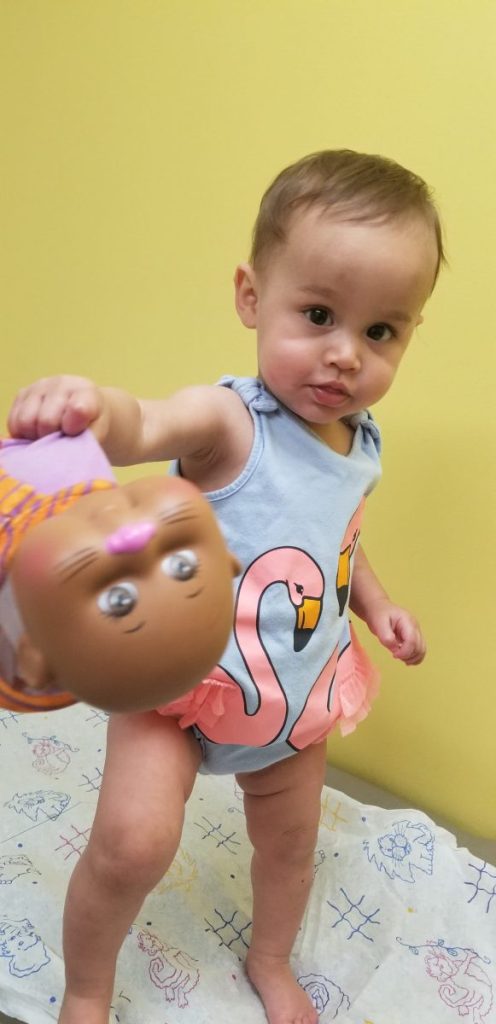
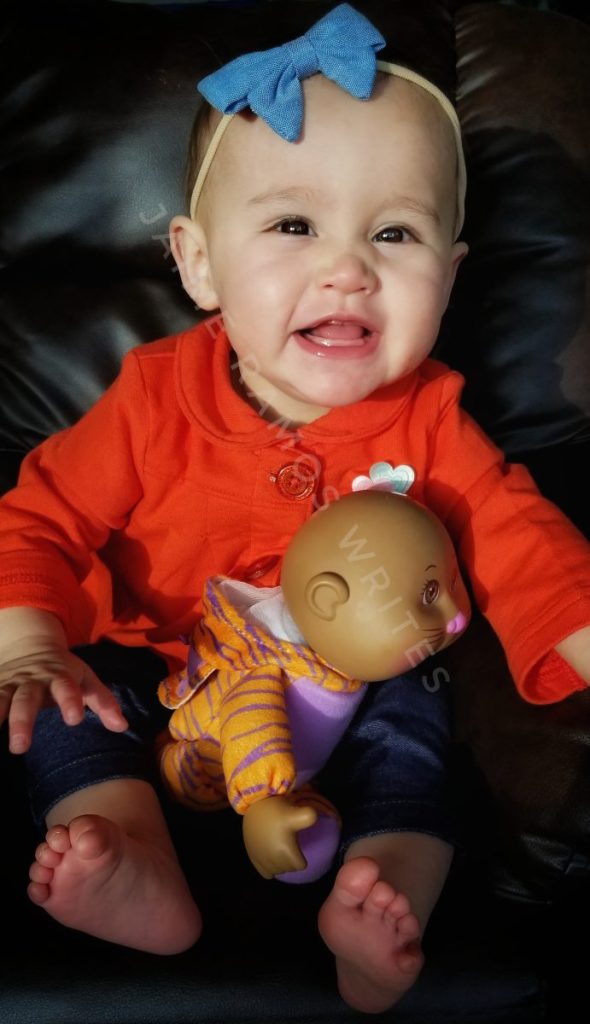
I can still vividly remember the time when my now five-year-old daughter was nine months old and reached for a Cabbage Patch Doll at the store. I handed it to her, and she was instantly attached.

A bond that continued for the next year or so, during which she affectionately dubbed it “Bebe.”

This past weekend, as we went through a round of toy rotation and donations, I stumbled upon a basket of forgotten baby dolls, and there, buried at the bottom, was Bebe.

A pang of sadness washed over me as I realized that we hadn’t played with baby dolls in quite some time, and Bebe had quietly disappeared over time.

When I showed my daughter, she saw it as an old and familiar toy, oblivious to the fact that she had once christened it and cradled it like a real baby.

The memories of her tears when she had to have her Bebe and countless kisses it received had vanished.

But for me, those memories remain vivid. That doll served as a poignant reminder of my sweet and spirited little baby—the one who could be gentle and soft, yet unleash a shrill scream that filled a room.

I thought of her adorable pout that was irresistible, and her love for dancing and bobbing her head to music that was infectious.

She was my little one who laughed and smiled more than any baby I’d ever known.

Some of those parts are still part of her, thank goodness not the screaming, but really she’s so different. She has evolved. Her personality has flourished, and her independence has grown by leaps and bounds. She remains loving and kind, but has also developed a fierce and confident spirit.

After school, she showers her friends with hugs and revels in social interactions. Her laughter remains as infectious as ever, and she never misses a chance to be silly.

My love for her remains as unwavering as it was back then, but all at the same time, I miss that little one.

Nobody warned me that I would ache for the past versions of my kiddos, and how hard it is to cling to those fleeting moments as life speeds forward on its winding path.

Now, my children are eight and five, and the toddler phase is fading away. I find myself longing for those days of giggles and baby dolls. And tomorrow, I’m certain I’ll yearn for the children I have today.

I carry the memories of who they once were and the journey that has led them to where they stand today. Maybe that is the essence of being a mom.

I may not ever know my children better than they know themselves, but I am blessed with the opportunity to embrace and cherish every version of them.

Today I am 35

Today was my birthday.

Each year, I look back and find a theme for that year. It’s not always easy, and this year was tough.

34 brought its share of difficulties, but it was also a year full of wonderful surprises.

Things happened that I never expected. Our family went hiking together, my autistic son helped his dad shop for groceries nearly every week, my daughter grew closer to her brother, and hell we traveled to the UK and back.

Autism coming into our lives made me feel stuck, and now a blood disease adds to that. But looking back on this year, I’ve learned a lot about being okay with where I am at and accepting that loss of control.

Growing up, I felt pressure to know exactly who I am. Not the worst way to be raised, but I thought knowing myself would give me control over life. Questioning who I am or what I want in life has made me feel like a failure in the past.

I know myself in many ways, but I can tell ya, at 35, I’m not fully there and kinda hope I never am. There’s a beauty to malleable.

Life and autism have taught me to be flexible and always learn. Many times, I’ve felt lost and didn’t know what to do. We’ve had to try new things over the years.

This flexibility and ability to question has affected all parts of my life. I’m more open-minded and willing to listen. I don’t judge people based on one moment, their mistakes, or even their social media.

So, this year, I’ve embraced being adaptable and okay with uncertainty. Tomorrow could be tough or great, but I hope to stay open-minded, ask questions, and keep learning from others.

So years to 35. Let’s pray it’s an easy one.

Autism and Friendship: The Bond of Cousins

I don’t know if my son has anyone who considers him their friend, besides his cousin, Lukas.

If you ask Jesse who his best friend is, he says, “Lukas.”

It’s not always mutual, though.
Although, it used to be.

My son is autistic and eight years old. He is 18 months older than his cousin.

When he was a toddler, he used to adore his little baby cousin, Lukas.

They grew up together as toddlers and littles, wrestling and laughing. And Lukas looked up to J as his big cousin. He admired him and did what he did.

They share a bond that will last forever, but as they grow, I’m witnessing a shift.

My son is a grade behind others his age, so he and Lukas are in the same year and were in the same class last year.

Sweet Lukas would sit with Jesse at lunch and include him in play whenever Jesse would participate.

Throughout the year, I could see their relationship change. My wonderful nephew started noticing the differences. He began asking questions.

More and more, we talk about autism.

Lukas knows Jesse so well, but he never realized the differences until he saw their peers changing while Jesse seemed to stay the same.

I’ve watched Lukas develop friendships at school grow. That transition from considering everyone a friend to forming friend groups and having best friends.

Jesse doesn’t understand friendship in the traditional sense. He doesn’t know how to friend, yet.

He wants friends. He considers other kids his friends, but he doesn’t realize that it takes more than just words. It requires interaction and communication.

I have witnessed Lukas evolve from being just a little cousin to taking care of Jesse. He looks out for Jesse, reminding him where to go and what to do.

They laugh together and interact in their own unique way. They are still little boys who sometimes get mad at each other.

They play video games together, and when Jesse loses his temper and struggles with sharing, you’ll hear Lukas say, “Oh, Jess,” while shaking his head.

It’s not always easy for Lukas, and I fear one day being Jesse’s friend and cousin will be a burden for him.

But at the end of the day, as we walk into a parking lot, with one of my hands full and the other holding my daughter’s. Lukas runs to catch up with his cousin and make sure he holds his hand, ensuring his safety.

No one asked or told him to do it. He just does it because he loves his Jess.