

Last summer our youngest was diagnosed with Von Willebrand Disease Type 2, a bleeding disorder. Since March is Bleeding Disorders Awareness Month, I felt compelled to shed some light on it.
I understand that not everyone may read this entire post, so let me start by emphasizing that if you or your child bruises easily, experiences frequent nosebleeds or gum bleeds, or seems to bleed excessively, please consider requesting testing for a bleeding disorder. It’s not typically detected in a routine blood test, and since it’s hereditary, family members with similar symptoms you may want to get tested. There are three levels of severity of VWD, each requiring different treatments.
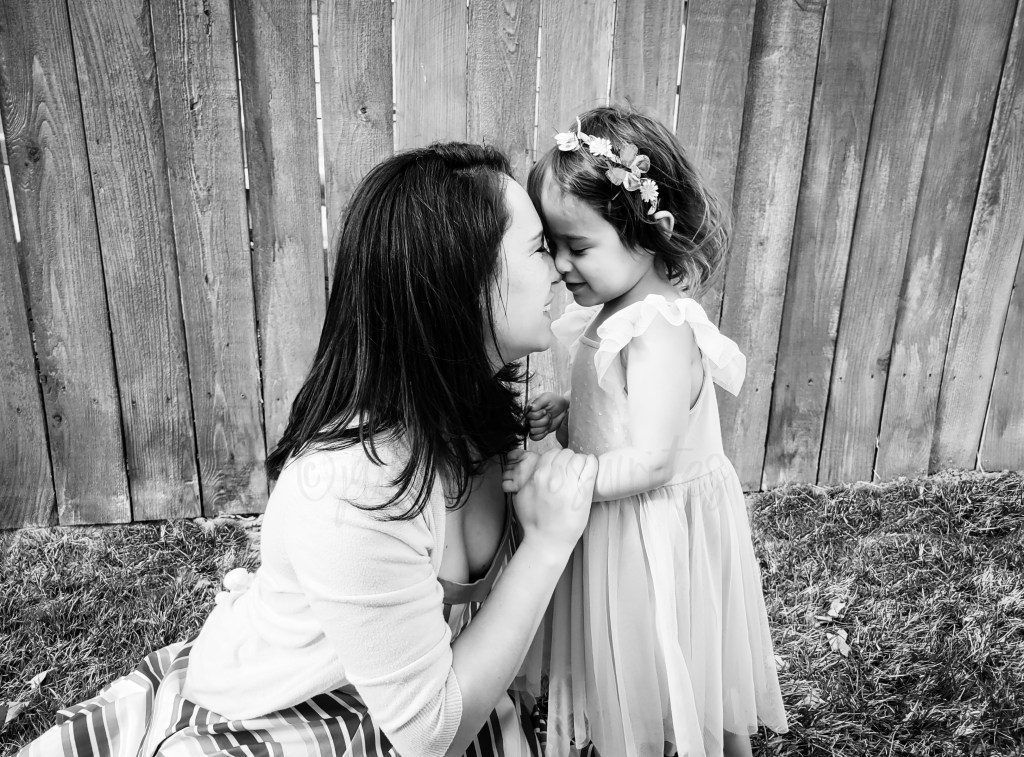
Blood disorders are relatively rare, yet many people may unknowingly have them. What we’ve discovered is that healthcare professionals often lack adequate knowledge about these conditions, placing the burden of education on patients and their families, which can be daunting. In my daughter’s case, she has always bruised easily, even since infancy, and occasionally suffers from nosebleeds that require prolonged pressure to stop.
Despite our concerns, her doctors initially dismissed these symptoms as trivial and reassured us that she would likely outgrow them. However, as she grew older, I I kept bringing it up with her pediatrician, who suggested the possibility of a blood disorder but didn’t express significant concern.

After undergoing testing, primary doctors still didn’t seem too concerned saying that she’d likely just need medication before any procedures. However, upon consultation with a hematologist, we realized the gravity of the situation.
Suddenly, we found ourselves facing the risks of joint bleeds, prolonged bleeding, internal bleeding, and even the terrifying possibility of brain bleeds. Her blood doesn’t clot in the usual manner, significantly increasing the risk of severe bleeding episodes.
It will impact the sports and activities she can participate in, dictate where she can travel safely, and influence every medical decision she faces throughout her life.
We’re still navigating this journey, discovering that the medications required for treatment are tailor-made for each patient and come with a hefty price tag and that you can’t find at your regular pharmacy. We will be undergoing testing ourselves, though current indications suggest we may only be carriers, as we haven’t experienced bleeding issues.
It’s been heartbreaking, watching our little girl adapt to a new reality of frequent blood tests and soon infusions. My plea is to raise awareness of blood disease to ensure the safety of not only my child but also others facing similar challenges.
 jaimeramoswrites.com